The Markets of the Aztecs: Commerce and Tribute
Discover how the Aztec economy thrived through tribute, bustling markets, and long-distance trade.
The Aztec economy was a sophisticated machine that combined three powerful elements: tribute extracted from conquered territories, vibrant marketplaces that served as commercial and social centers, and elite merchant guilds that connected distant lands through trade networks spanning thousands of miles. This economic system supported one of the largest cities in the world and funded the empire's magnificent temples and ceremonies.
At the heart of this system lay innovation - from cacao beans used as standardized currency to the massive Tlatelolco market that amazed Spanish conquistadors with its organization and scale. The pochteca merchants operated as both traders and spies, bringing exotic goods while gathering intelligence for future conquests.
"We were astounded at the number of people and the quantity of merchandise that [the Tlatelolco market] contained, and at the good order and control that was maintained... Each kind of merchandise was kept by itself and had its fixed place marked out."
— Bernal Díaz del Castillo, Spanish conquistador
Foundations of Aztec Commerce
Tribute System
How conquered territories fueled the Aztec Empire
Tribute Collection: Conquered regions supplied maize, cotton, cacao, precious feathers, gold, jade, and slaves
Codex Records: Tribute obligations meticulously recorded in pictographic books like the Codex Mendoza
Military Enforcement: Tribute collectors backed by garrisons ensured regular payments from 400+ subject cities
Capital Sustenance: Tribute fed Tenochtitlán's 200,000+ residents and funded massive temple construction
Ceremonial Goods: Exotic tribute items essential for religious festivals and royal ceremonies
Economic Foundation: Tribute system allowed specialization and supported the empire's warrior class
Markets & Everyday Trade
The bustling commercial heart of Aztec civilization
Tlatelolco Market: Largest in Mesoamerica with up to 60,000 traders on market days
Organized Sections: Specialized areas for food, textiles, luxury goods, tools, pottery, and slaves
Market Officials: Supervised trade, settled disputes, and ensured fair prices and quality
Spanish Admiration: Conquistadors marveled at the market's size, order, and variety
Barter System: Most trade conducted through direct exchange of goods for goods
Daily Commerce: Every city had local markets operating on regular schedules
Merchants (Pochteca)
Elite trader-spies who connected distant lands
Elite Status: Hereditary merchant class with their own neighborhoods and privileges
Long-Distance Trade: Journeyed hundreds of miles carrying luxury goods on their backs
Exotic Imports: Brought jaguar skins, tropical feathers, seashells, jade, and amber
Spy Network: Reported on foreign territories, military strength, and potential conquests
Merchant Guilds: Organized into associations with patron gods and protective rituals
Diplomatic Role: Served as ambassadors and negotiators in foreign lands
Currency & Trade Goods
The innovative monetary systems that powered commerce
Cacao Bean Currency: Standard money with fixed exchange rates (3 beans = 1 tamale, 100 = turkey)
Cotton Cloaks: High-value currency for expensive purchases like houses or slaves
Quill Gold: Gold dust stored in transparent quills for precise small transactions
Salt Trade: Essential commodity traded from coastal regions to highland cities
Obsidian Blades: Sharp volcanic glass exported throughout Mesoamerica
Standardized Measures: Official weights and measures enforced in all markets
Craftsmanship & Local Economy
Specialized artisans who created the empire's wealth
Featherworkers: Created elaborate headdresses and ceremonial costumes using tropical bird feathers
Goldsmiths: Crafted intricate jewelry and religious objects, most lost to Spanish melting
Potters: Produced both utilitarian and ceremonial ceramics for daily and ritual use
Weavers: Created textiles from cotton and maguey fiber with complex geometric patterns
Calpulli Guilds: Artisan neighborhoods where skills passed from generation to generation
Religious Integration: Craftsmanship deeply connected to spiritual beliefs and ceremonies
Trade Routes & Networks
Commercial highways that connected the Aztec world
Pacific Coast: Routes to obtain seashells, tropical fruits, and cacao from warm regions
Gulf Coast: Trade connections bringing vanilla, rubber, and exotic bird feathers
Highland Networks: Mountain routes for obsidian, jade, and precious metals
Riverine Commerce: Canoe transport on lakes and rivers for bulk goods
Market Circuits: Regular trading cycles connecting cities across the empire
International Trade: Exchange with Maya, Zapotec, and other Mesoamerican civilizations
A Day at the Tlatelolco Market
Tomato
1 cacao bean
FoodTamale
3 cacao beans
FoodTurkey
100 cacao beans
ProteinAvocado
3 cacao beans
FoodSmall cotton cloak
100 cacao beans
TextilesCanoe
1 cotton cloak
TransportSlave
25-40 cotton cloaks
LaborGold dust (1 quill)
5-10 cacao beans
PreciousPrices based on Spanish colonial records and indigenous codices
Trade & Commerce Secrets
Aztec-Inspired Collections
Authentic designs inspired by ancient Aztec artistry. Each piece tells a story and connects you to the rich heritage of Mesoamerican culture.
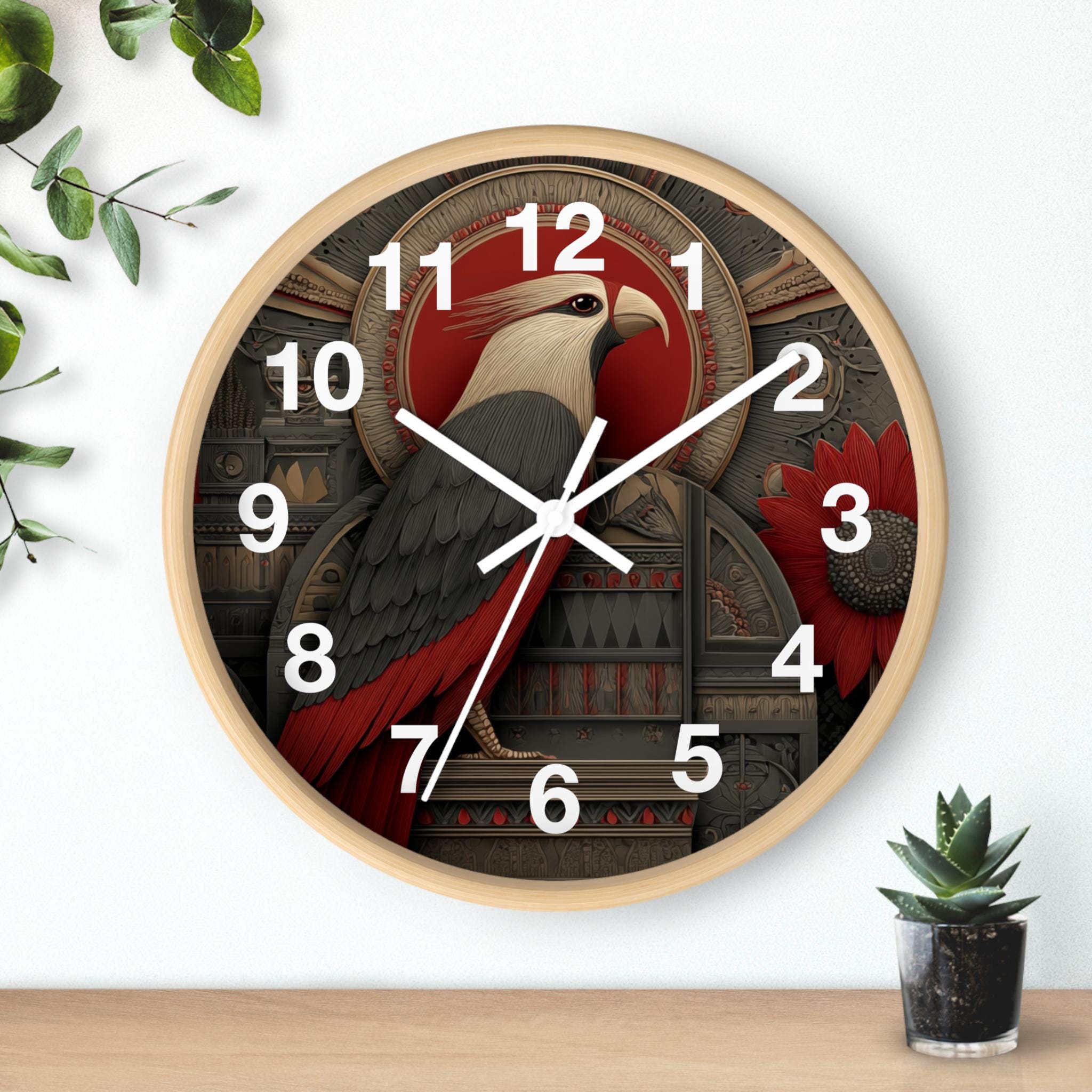
Aztec Bird Art Wooden Wall Clock, 10-Inch
In the ancient city of Xochitlan, sunlight glimmered across stone temples and lush jungles, casting shadows that danced with the winds of legend. In t...
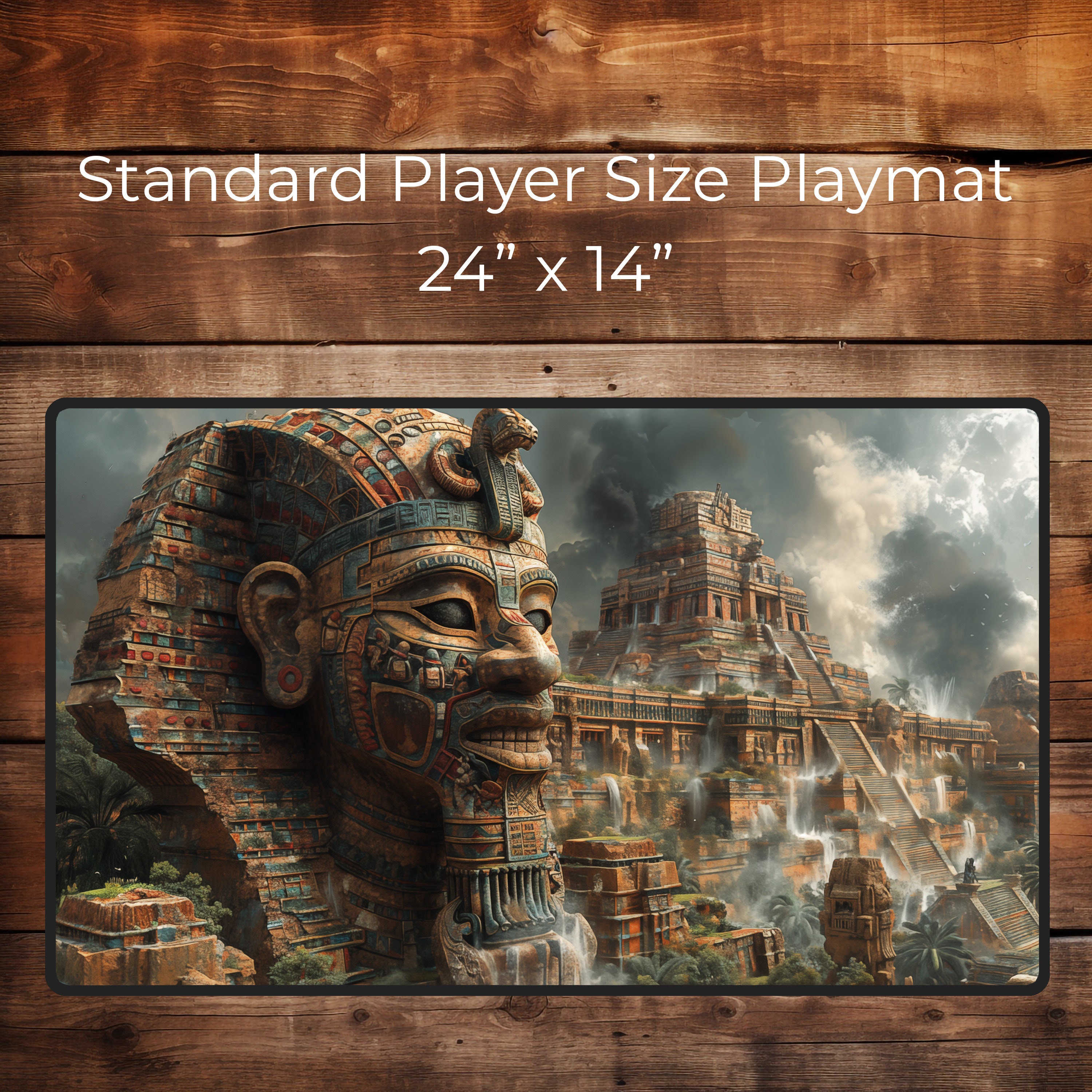
Convergence of Empires Egyptian and Aztec Fusion Playmat
In an alternate history where the fates of great empires intertwined, a grand and mystical convergence of cultures took place. As the mighty Egyptians...
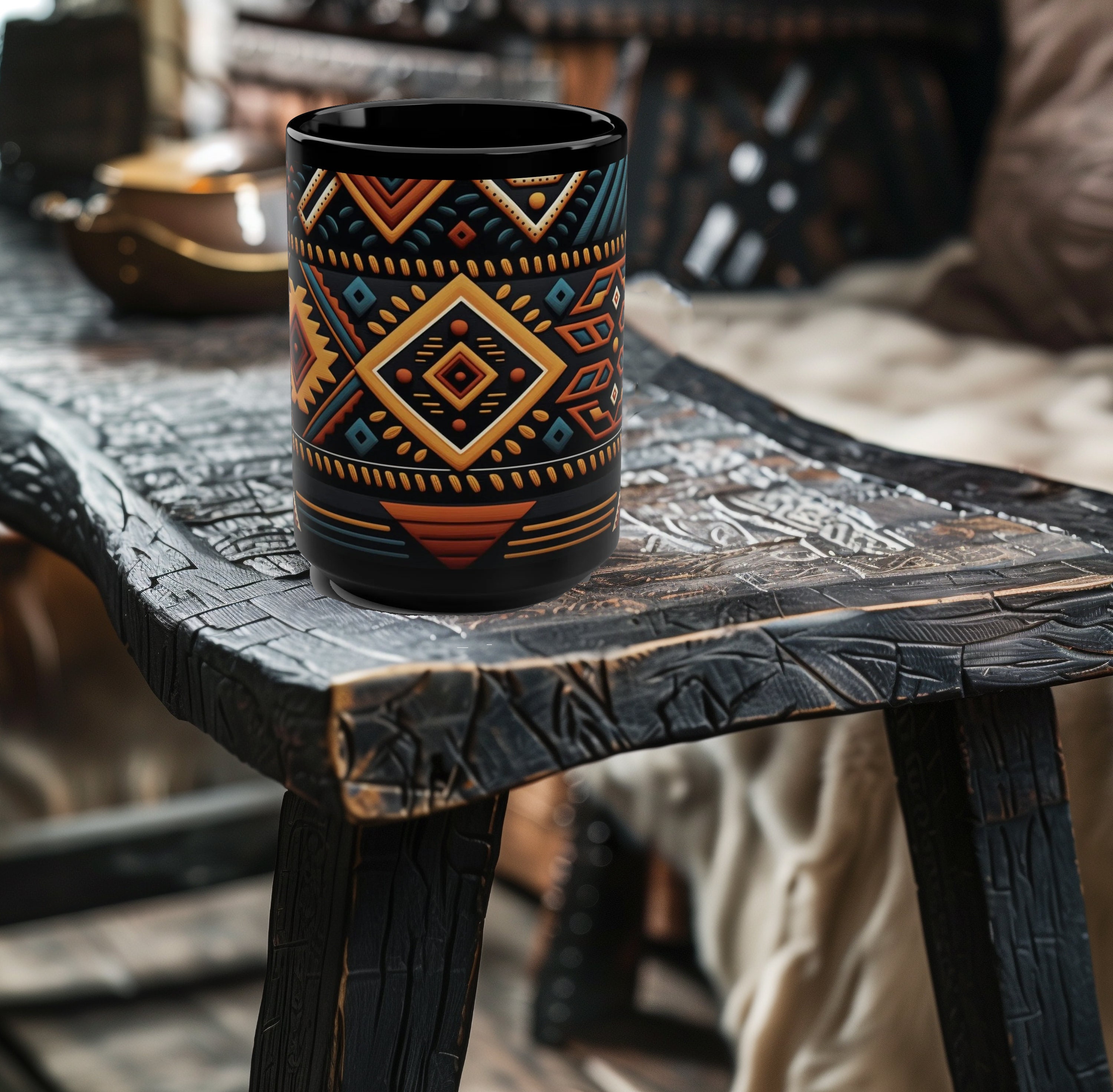
Aztec Pattern 15oz Ceramic Coffee Mug
In an ancient village where the mountains met the desert, lived a master weaver named Zara. The people of her village cherished their rich cultural he...
Supporting authentic artisans and keeping ancient traditions alive
Browse All ProductsThe Engine of Empire
The Aztec economy was both remarkably practical and deeply symbolic - it fueled imperial expansion while shaping the daily experiences of millions. From cacao beans exchanged in neighborhood markets to exotic treasures carried across continents, commerce connected every level of society and every corner of the empire. Though the tribute system ended with conquest, the entrepreneurial spirit and commercial innovation of the Aztecs continues to inspire Mexican business culture today.